


Hello to all my wonderful World Outside Our Window Subscribers!
It can be depressing sometimes to read modern entertainment criticism. Not because the writing is bad per se – in some ways it has never been better, just look at this blog – nor because there aren’t still great shows and films being made (buried though they often are beneath the content deluge). But rather because even when covering the rare works that demand our full attention, modern criticism seems more interested in explaining them rather than understanding them.
This has been made abundantly clear with the coverage of Pluribus, Apple TV’s new prestige sci-fi drama from Breaking Bad creator Vince Gilligan. Following Carol (Rhea Seehorn), a miserable and cynical author, Pluribus is one of TV’s freshest shows in years. After an alien hive mind takes over the world – and Carol’s wife doesn’t survive the transformation – Seehorn finds herself one of a few humans not part of the horde. Forced to contend with being the only unhappy being on a world full of content, robotic-like aliens, Pluribus smartly mixes Gilligan’s X-Files past with the character study focus of Breaking Bad and Better Call Saul. While we are only about half way through the season, it feels safe to say that this is one of the first sci-fi shows of the streaming era to truly make use of the freedom afforded to writers finally free of the constraints of traditional TV production. Rather than using Apple’s blank check to just go big on lore and fancy sets, Gilligan returns to the roots of science fiction and tells a deeply human story, taking advantage of Apple’s trust in him by telling a surprisingly slow and subtle story, devoid of the flashy made-for-TikTok moments so common in today’s TV.
It’s strange to say, but Gilligan’s approach to TV is almost old-fashioned now. The past few years of prestige television have prioritized spectacle over substance in increasingly absurd ways. Stranger Things, once a show that proved the power unlocked by streaming budgets, now represents the worst of the “post-peak-TV” era. With its bloated episodes, absurd character count, and frankly disturbing turnaround time between seasons, Stranger Things has become almost unwatchable. The focused and often smart 80s/Stephen King pastiche of season one has been replaced by the heavy burden of lore-brained TV, as the story continues to expand and spiral out of control, losing the refined and careful character work which originally attached us to these five kids. Now, the most memorable character development of the last season was the weird attempt at making Will Beyers gay, but not gay enough to turn off a Fox News watching grandma (who is certainly not watching anyways).
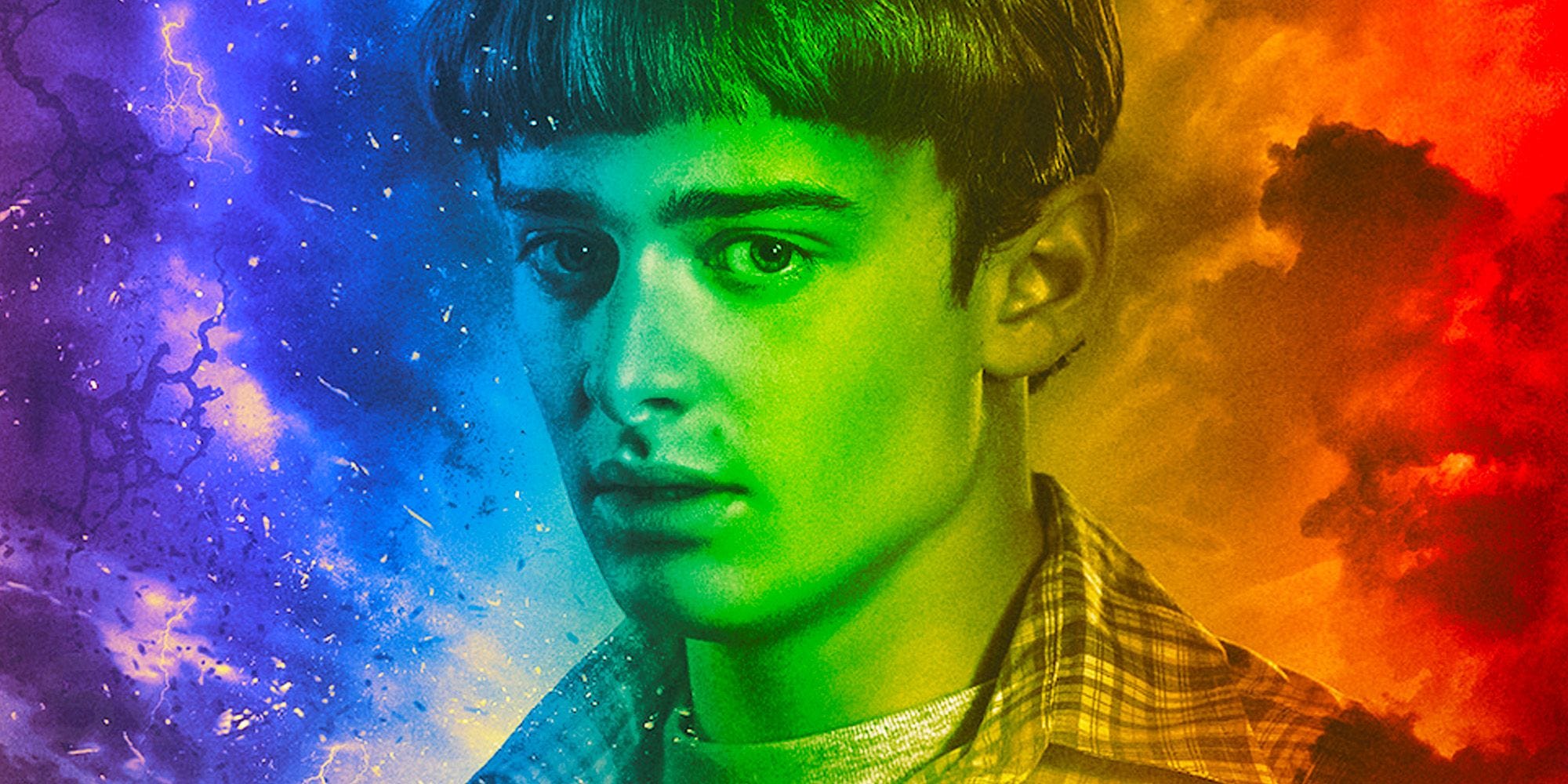
Volume One of the final season just released – Volume Two comes out in a month, split for reasons no one can quite articulate – and four years after the last season, finding the motivation to watch seems all but impossible. The season finale will be almost two hours long and released in theaters, with all the preceding episodes still long enough to qualify as feature films on their own. There’s no creative reason for any of this. You could simply cut the episodes to normal lengths, make it two seasons, or write tighter scripts. But the strangeness of the release schedule is basically the point. Episode titles were “dropped” as if it was a huge moment. Runtimes for each episode were announced as practically a feature of the experience itself. Call it form over function, quantity over quality, or just plain cynical marketing crap, this is simply not a sane way to release a television show. And Netflix is not alone here, although they certainly are at the top of gimmick-show game.
This context makes Pluribus feel almost radical. Like Breaking Bad, and especially Better Call Saul, Pluribus works because of its commitment to exploring one character and understanding them in totality. Seriously, Carol is basically the only other person we see – save for a few other humans who “escaped” the transformation and are hilariously unreceptive to Carol’s outreach. The rest of the cast plays a hive mind, devoid of any interiority or motivation. As someone who watched with bated breath as Seehorn lost Emmy after Emmy for her stellar work on Better Call Saul, it is deeply satisfying to see her get a show which hinges entirely on her performance. Every casual glance or slight eyebrow raise conveys a universe of feeling, and Carol’s clear unhappiness before the alien invasion is made more darkly comedic after everyone around her becomes incredibly joyful. There’s something perversely funny about watching a woman who was already alienated from the world suddenly become literally the last woman on Earth who still feels anything at all.
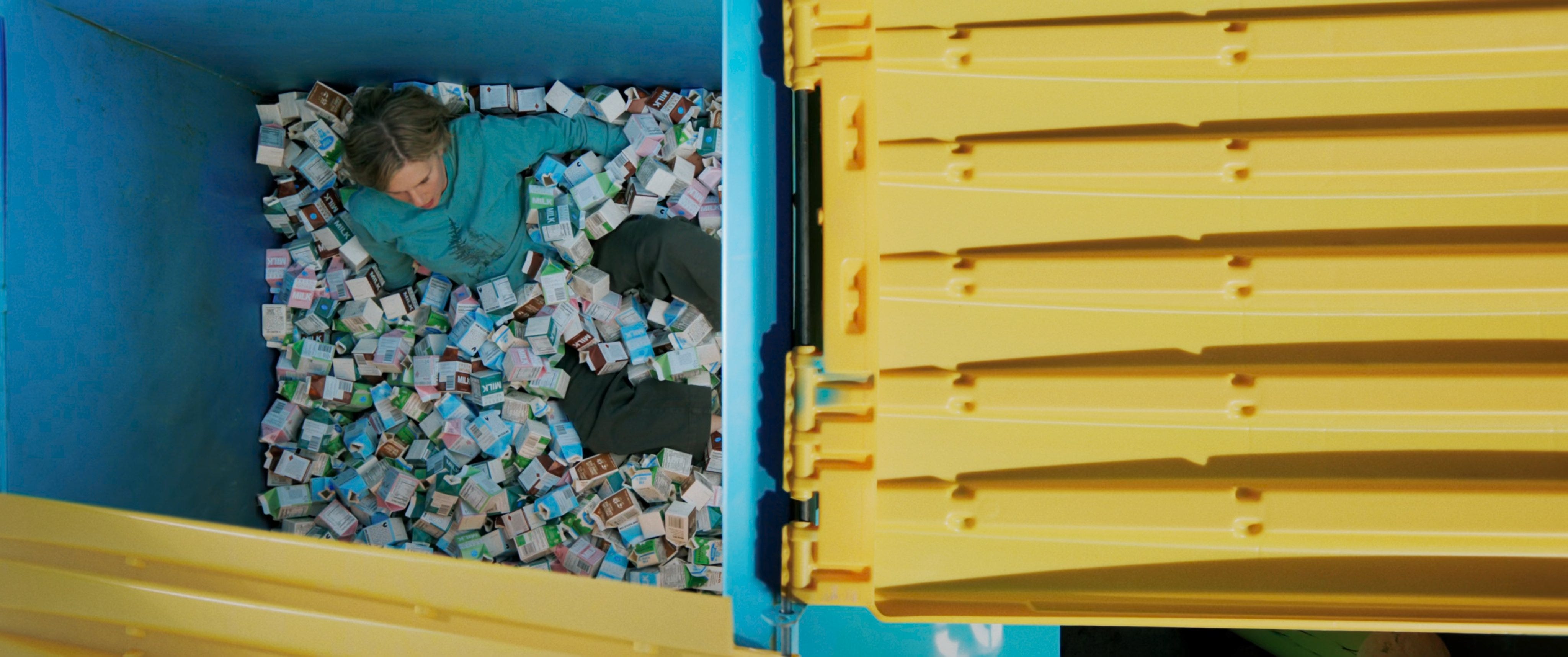
But rather than writing about Seehorn’s wonderful performance, or Gilligan’s striking direction (a split diopter shot already – he is going sicko mode), most of the so-called reviews and especially the general discourse around the show seem to focus on the most uninteresting of questions: what is the show really about. As in, below the plot, what is Gilligan trying to say with his Invasion of the Body Snatchers redux? In what is becoming all too common, media outlets seem to think the only thing they can write are “explainers,” designed to help an increasingly unengaged audience, trained by Netflix and the binging model to veg out rather then truly take in an episode. For a show that has barely begun to scratch the surface of its planned three-season run, the prospect of explaining the allegorical core – of which I’m unsure one answer even exists, for what it’s worth – is depressing. Shouldn’t we at least watch the full first season?
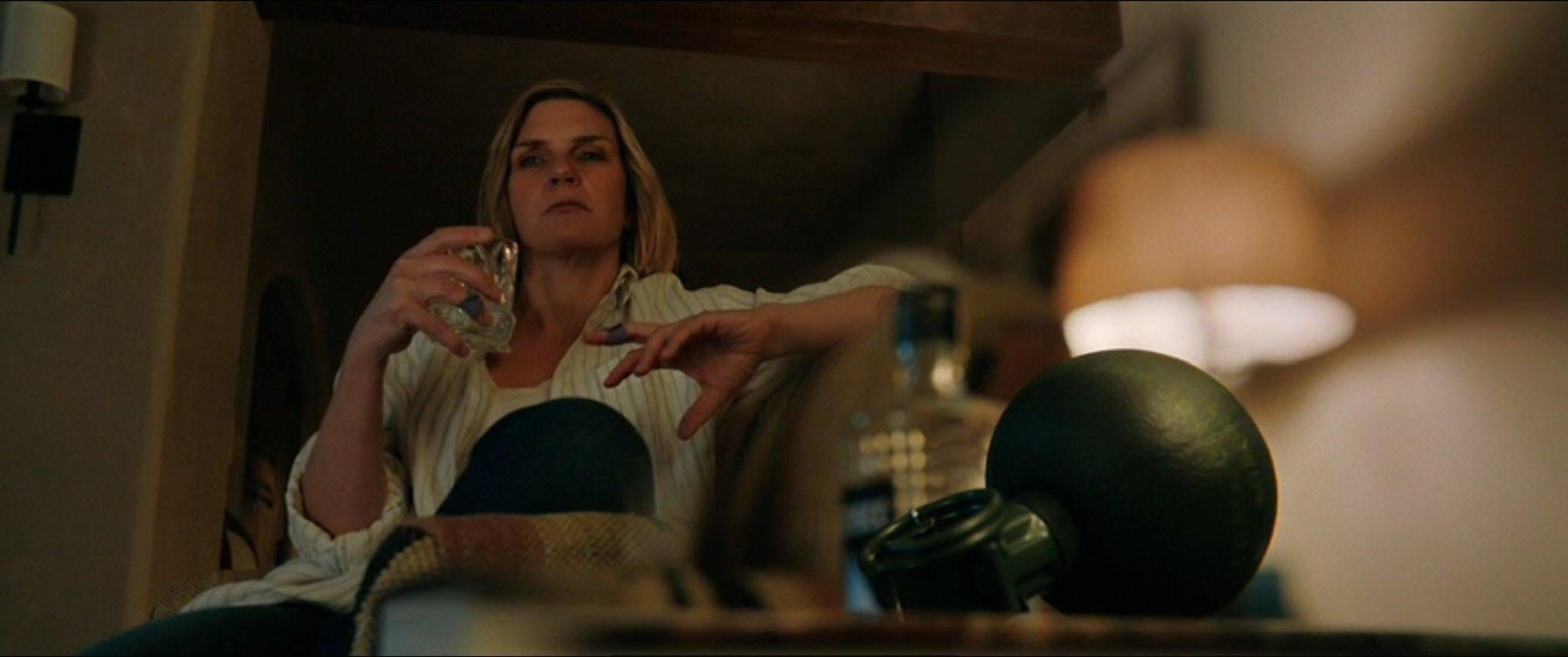
I love this Roger Ebert quote, and go back to it quite often: “It’s not what a movie is about, it’s how it is about it.” The rush to decode Pluribus – to determine whether it’s “about” conformity, depression, AI, or for some reviewers “the woke mind virus” – misses what makes the show compelling in the first place. It’s the style of Gilligan’s direction, the way he frames Carol against vast empty spaces that somehow feel claustrophobic. It’s Seehorn’s ability to make cynicism feel like a survival mechanism rather than a character flaw. It’s the show’s willingness to sit in uncomfortable silence, to let scenes breathe in a way that feels satisfying and increasingly rare.
Gilligan, for his part, has played coy about the show’s “meaning,” not wanting a repeat of Breaking Bad‘s exhausting press cycle, which devolved into constant questions about the exact “moment” Walter turned evil and other tedious process stories. It seems he understands what the best science fiction has always known: that the genre works when it poses questions rather than answering them, when it creates spaces for thought rather than delivering neat theses. And, of course, when it simply entertains us with its mysteries and intrigue.
The irony with all of this is hard to miss. A show about a hive mind, one that strips people of their individuality and critical thought, covered by a media landscape that increasingly functions in similar ways – churning out explainers, recaps, and my personal favorite, “listicles,” before the credits have rolled on the pilot. In the first episode, there’s a telling moment where Carol drolly signs books as her adoring fans eat up work she herself admits is quite bland. Maybe the hive mind came long ago after all. Perhaps Carol is just the only one paying any attention.
Signing off,
Max Bolen
Certainly not welcome in any future Hive Mind situation
It is about everything, which also means it is about nothing, which is why it so good. It presents a mystery and part of the pleasure of watching it is asking, what might this all mean? We all answer with the word 'allegory'. And yet in every episode the allegorising seems to change. First it seems an allegory of fascism; then of the post-covid world; then of the loneliness of being a writer or an artist; then of American isolationism (that's up to episode seven). But none of this really sticks, or really matters, because the pleasure of watching it is the pleasure of thinking alongside images. And the simple fact of caring what happens to the characters, to Carol and Manousos. Great art never means anything, is never about anything, if not empathy. Pluribus seems to me a great work of art.
For me it's clearly an allegory of american hegemony in decadence, I mean, just look at the title that's printed in USA passports and other seals. Also the many human global interaction with the only american not infected that I find it hilarious